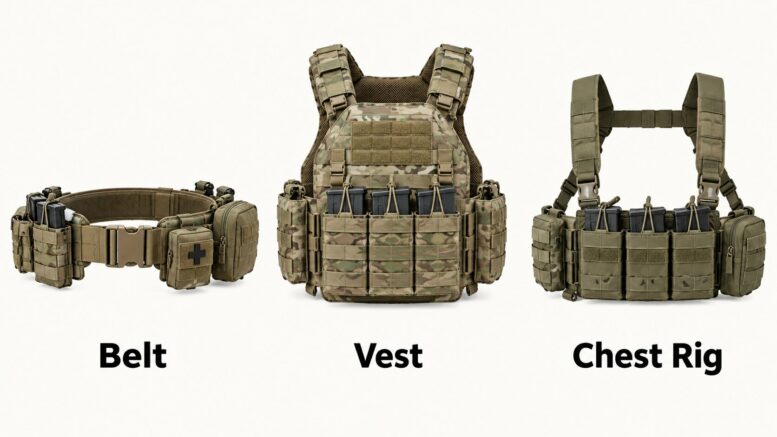
Load-Bearing Equipment 101: Belt vs. Vest vs. Chest Rig
Load-bearing equipment, or LBE, is the umbrella term for any system built to carry gear on the body instead of in a bag or backpack. A battle belt, a plate carrier, and a chest rig…
Read More
Load-bearing equipment, or LBE, is the umbrella term for any system built to carry gear on the body instead of in a bag or backpack. A battle belt, a plate carrier, and a chest rig…
Read More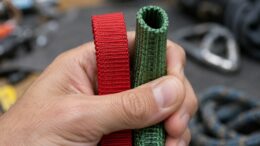
TL;DR: Flat webbing is a solid, single-layer weave that stays rigid under a steady pull. It’s the right base for luggage straps, tie-downs, and buckle attachment points. Tubular webbing is a hollow, two-layer weave that…

You will often hear “EMS bag” used for half a dozen different things, with the names often blurred together as a catch-all term for several types of bags. And while every one of them is…
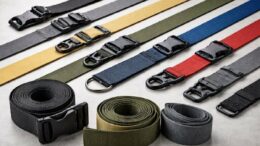
Nylon and polyester are the materials that many straps get made from these days, and with good reason – both are dependable, strong, and cost-effective, although they can behave differently under load. The one you…
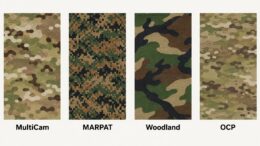
Two camouflage patterns can look nearly identical in a spec sheet photo and still represent two different licensing structures, two different procurement paths, and two different answers to one important question: will this match what’s…

Hook and loop is one of the most common closure systems in industrial sewn products — and one of the most frequently under-specified. Choosing the wrong type, grade, or attachment method can cause weak closures,…

A cut-and-sew RFQ that arrives with a photo, a rough description, and a target price range tells a manufacturer very little. It tells them nothing about the fabric weight, the seam construction, the hardware, the…

When medical device OEMs source sewn soft goods, the compliance question surfaces early: does the sewing supplier need FDA registration, ISO 13485 certification, or both? The FDA registration vs. ISO 13485 distinction matters because these…
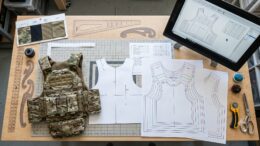
A tactical vest prototype can be built from a single pattern. Production cannot. The moment a program moves from one approved sample to a full manufacturing run, sizing and grading become the engineering foundation that…

A first article inspection (FAI) is a production-readiness checkpoint – a structured verification that a first production-representative sample meets the drawings, specifications, materials, construction standards, labeling requirements, and contract quality clauses before full production moves…