
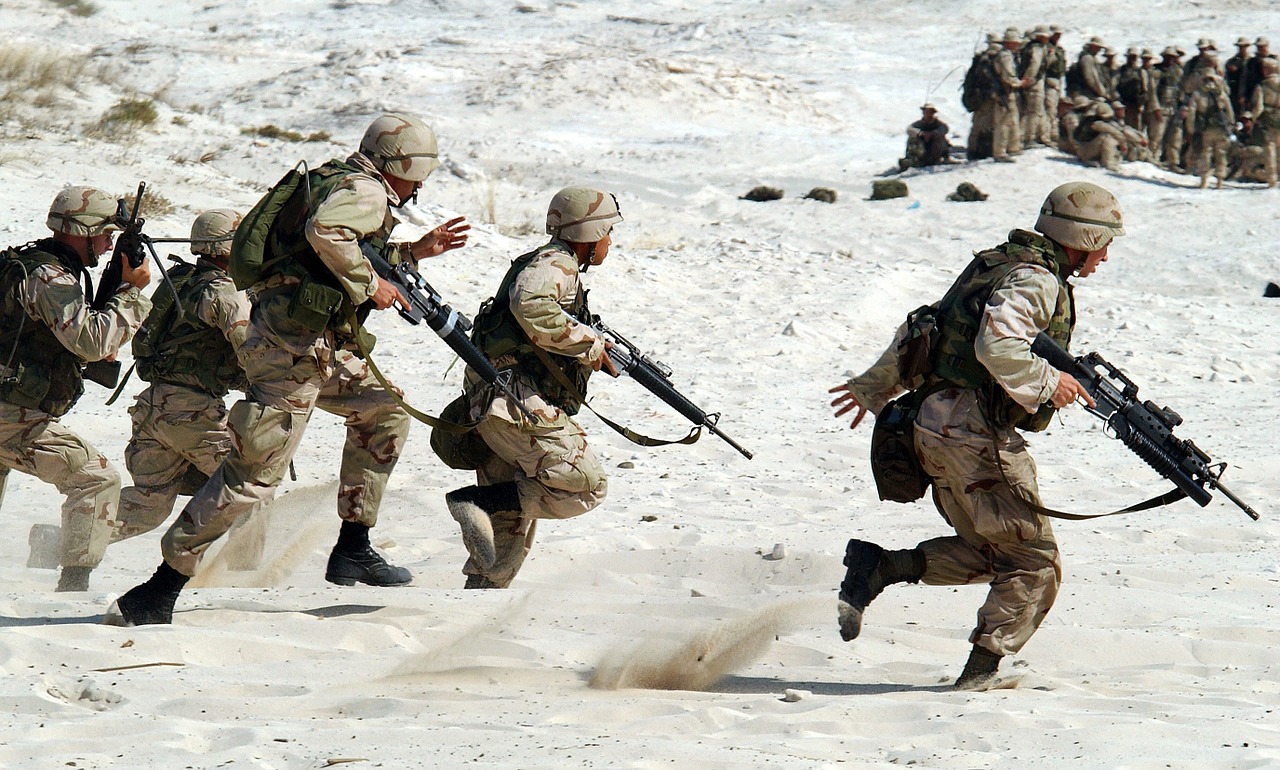
Berry compliant manufacturing refers to the requirement that certain textile products purchased by the U.S. Department of Defense must be produced entirely from materials sourced and manufactured in the United States.
This rule, known as the Berry Amendment, applies to many textile-based goods used by the military, including soft-sided equipment bags, carrying cases, tactical gear, and medical kits. For manufacturers supplying these items to the Department of War or to prime contractors working on DoD programs, compliance is not optional. It is a contractual requirement.
In this guide, we explain:
- What Berry compliance actually requires
- How it differs from “Made in USA” claims
- What documentation buyers should expect
- How Berry compliant products are manufactured and verified
If you are developing Berry amendment compliant products for defense contracts, understanding these requirements early can prevent costly sourcing issues during procurement or audits.
What Berry Amendment Compliance Actually Requires
The Berry Amendment requires that certain textile products purchased by the U.S. Department of Defense be manufactured using domestically sourced materials and production processes, unless a specific statutory exception applies.
In practice, this means that many textile items used by the military must be produced using U.S.-manufactured fabrics, thread, webbing, and related components. The requirement applies not only to final assembly, but also to the sourcing of key textile materials used in the product.
However, the Berry Amendment is not an absolute “100% domestic” rule in every situation. Exceptions may apply in certain procurement scenarios, including:
- Domestic Non-Availability Determinations (DNADs) when required materials cannot be sourced in the United States
- Simplified acquisition thresholds, where smaller purchases may be exempt from Berry restrictions
- Certain statutory or program-specific exemptions
Because these requirements are implemented through DFARS clauses in DoD contracts, the exact compliance obligations depend on the specific procurement language included in each contract.
For manufacturers supplying Berry amendment compliant products, compliance must typically be demonstrated through documented domestic sourcing of covered textile components.
For soft goods such as bags and cases, this requirement typically applies to components including:
- Fabric and textile materials
- Thread and sewing materials
- Webbing and load-bearing straps
- Hook-and-loop closures
- Zippers and fastening hardware
Several textile categories commonly fall under Berry compliance requirements for soft goods manufacturing, including:
- Tactical gear and load-bearing equipment
- Protective covers and textile equipment cases
- Medical transport bags and field kits
- Military backpacks and modular equipment carriers
- Textile components integrated into weapon or communications systems
For manufacturers working in the defense supply chain, compliance must be considered at the component sourcing stage, not only during final assembly.
Berry Compliant vs Made in USA
The terms “Made in USA” and “Berry compliant” are sometimes confused, but they represent very different standards.
While both involve domestic manufacturing, Berry Amendment compliance is far stricter and specifically tied to Department of Defense procurement requirements.
| Standard | Made in USA | Berry Compliant |
| Assembly location | Final product assembled in the United States | Final product manufactured in the United States |
| Material sourcing | Some imported materials may be allowed | Covered textile components must typically be domestically sourced unless an exception applies |
| Regulatory authority | Federal Trade Commission (FTC) | Department of Defense (DFARS clauses) |
| Use in DoD contracts | May not qualify | Required for many textile procurements |
For example, a tactical equipment bag may be assembled in the United States but use imported webbing or fasteners. Under FTC guidelines, this product might still be marketed as “Made in USA.”
However, under the Berry Amendment, the same product would not be considered compliant because its components were not manufactured domestically.
This distinction is important during defense procurement. If a supplier incorrectly claims Berry compliance, it can create contract eligibility issues or audit risk for prime contractors.
Does Berry Amendment Have a “Compliance Certification”?
One common misconception is that there is a single official Berry compliance certification issued to manufacturers.
In reality, Berry Amendment compliance is typically demonstrated through contract documentation and supply chain traceability, rather than through a universal certification program.
When defense contractors verify Berry compliance, they usually review documentation that proves the domestic origin of each component used in the product.
This documentation often includes several types of records.
| What Buyers Ask For | What It Proves |
| Bill of Materials (BOM) | Lists all components and their manufacturing origin |
| Supplier origin statements | Confirms domestic production of individual materials |
| Certificate of Conformance (CoC) | Verifies the finished product meets contract requirements |
| Traceability records | Links components to approved suppliers and production lots |
| Change control documentation | Confirms substitutions were approved and compliant |
Rather than relying on a single certificate, Berry compliance is verified through this documentation trail, which supports audit readiness and contract compliance.
How to Verify Berry Amendment Compliance (Buyer Checklist)
Buyers sourcing Berry compliant products should verify compliance at the component level before approving production.
The following checklist can help procurement teams confirm that suppliers meet Berry Amendment requirements.
Request a Complete Bill of Materials
A supplier should provide a full Bill of Materials (BOM) that lists every textile component used in the product, including its country of origin and manufacturer.
Confirm Tier-2 and Tier-3 Suppliers
Berry compliance extends beyond the immediate supplier. Buyers should confirm the origin of materials from fabric mills, thread manufacturers, webbing suppliers, and hardware providers.
Require Change Control for Substitutions
Material substitutions can unintentionally introduce foreign components into a compliant product. Suppliers should maintain formal change control procedures that require approval before substitutions occur.
Request an Audit-Ready Documentation Package
An audit-ready package typically includes:
- Certificate of Conformance
- Supplier origin statements
- Material traceability documentation
- Production records linking materials to finished goods
Watch for Red Flags
Certain claims may indicate incomplete compliance verification, including:
- “Assembled in the USA” language
- Vague sourcing statements
- Missing component origin documentation
For official guidance, buyers can also review the Department of Defense Berry Amendment FAQ and DFARS procurement rules.
Common Exceptions, Waivers, and When Berry Might Not Apply
While the Berry Amendment covers many textile products used by the Department of Defense, certain situations may fall outside the requirement.
For example, some procurements below the simplified acquisition threshold may not require Berry compliance. Additionally, the Department of Defense can issue Domestic Non-Availability Determinations (DNADs) when specific materials cannot be sourced domestically.
These exceptions are relatively limited and are governed by official procurement policies. Suppliers and buyers should consult DFARS guidance or Department of Defense resources when determining whether a product qualifies for an exemption.
Because requirements can vary between contracts, manufacturers should review the specific clauses included in each procurement agreement.
Berry Compliant Manufacturing Process (How Fieldtex Builds Audit-Ready Soft Goods)
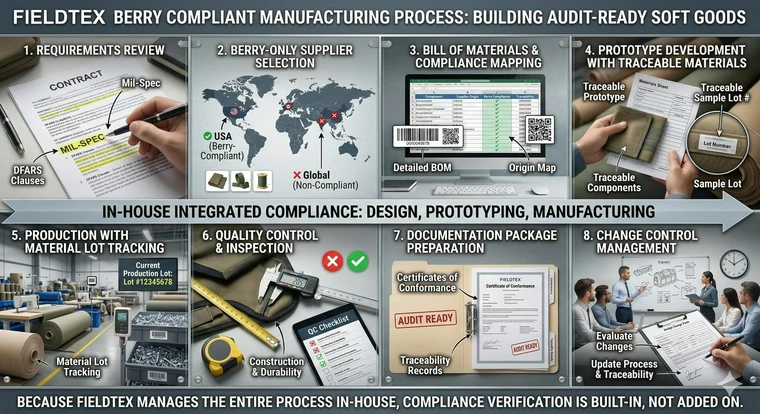
Producing Berry amendment compliant products requires careful control of both sourcing and manufacturing. At Fieldtex, the process is designed to ensure that each product can withstand procurement audits and contract verification.
1. Requirements Review
Each project begins with a review of the contract requirements, including the applicable DFARS clauses and product specifications.
2. Berry-Only Supplier Selection
Approved domestic suppliers are selected for materials such as fabric, webbing, thread, foam, and closures.
3. Bill of Materials and Compliance Mapping
A detailed Bill of Materials is created, identifying the origin and compliance status of each component.
4. Prototype Development with Traceable Materials
Prototype samples are produced using the same traceable materials that will be used in production.
5. Production with Material Lot Tracking
During production, materials are tracked by lot number so that finished goods can be linked back to specific component batches.
6. Quality Control and Inspection
Products are inspected to verify construction, durability, and specification compliance.
7. Documentation Package Preparation
Documentation supporting Berry amendment compliance certification is prepared for customers, including Certificates of Conformance and traceability records.
8. Change Control Management
Any requested design or material changes are evaluated for compliance before implementation.
Because Fieldtex manages design, prototyping, and manufacturing in-house, compliance verification can be integrated into the production workflow rather than added as an afterthought.
Types of Berry Compliant Products We Manufacture
Fieldtex manufactures a range of Berry compliant textile products designed for military, medical, and industrial applications.
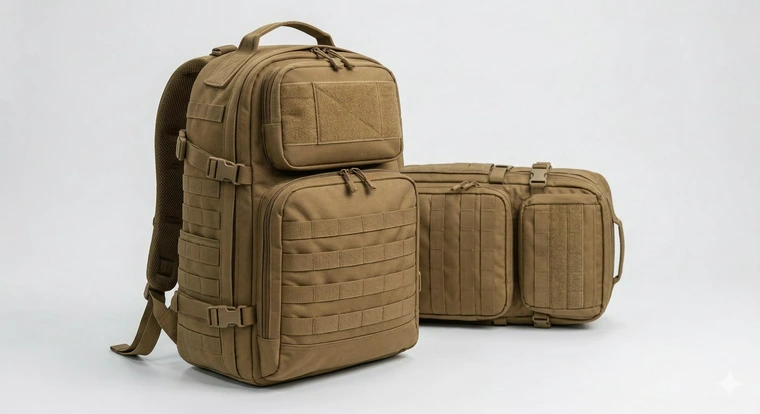
Tactical Gear Bags
These products often include heavy-duty fabrics, load-bearing webbing, and modular attachment systems. Compliance verification typically focuses on webbing origin, fabric sourcing, and hardware components.
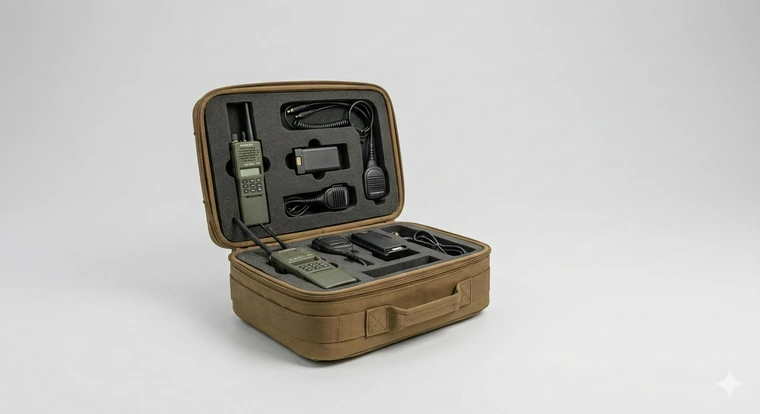
Communication Equipment Cases
Equipment cases used for radios and communication systems often include padded interiors, reinforced panels, and custom closures. Foam inserts and textile coverings must meet domestic sourcing requirements.
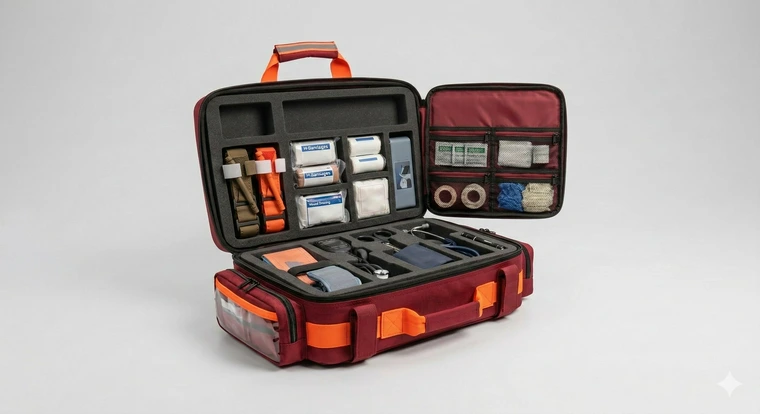
EMS and Medical Kits
Medical transport bags must combine durability with organized storage. Hook-and-loop closures, reinforced seams, and textile liners are all compliance-sensitive components.
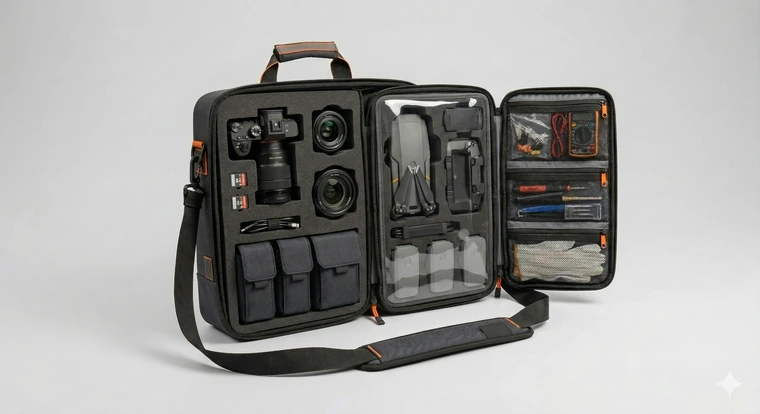
Custom Storage Cases for Electronics
Sensitive electronics cases often require shock-absorbing foam, protective textile shells, and reinforced handles. Component sourcing must be documented to maintain compliance.
Rapid Deployment Pouches
Compact pouches used in tactical load-outs require durable fabric construction and reliable closures, with traceable sourcing for each textile component.
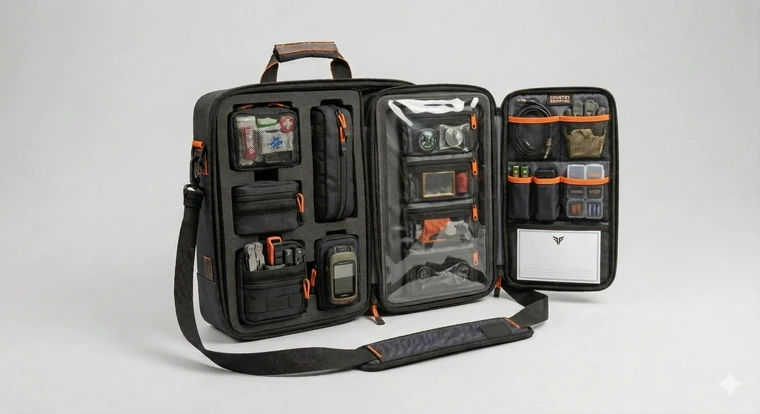
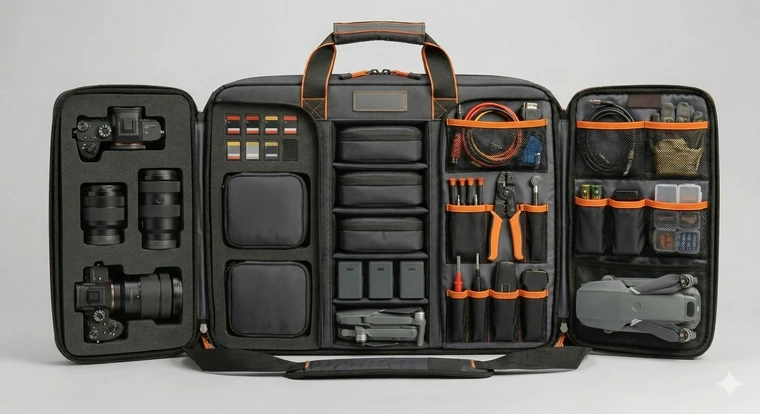
Tool and Diagnostic Equipment Bags
These bags support field technicians and maintenance crews. They often include reinforced compartments, load-bearing straps, and specialized interior layouts.
Documentation We Provide for Prime Contractors
Prime contractors supplying products to the Department of Defense must maintain documentation demonstrating Berry Amendment compliance.
Fieldtex provides documentation packages designed to support procurement reviews and compliance audits.
Typical documentation includes:
- Certificate of Conformance
- Bill of Materials with component origin
- Supplier origin statements
- Material traceability records
- Production lot tracking documentation
- Change control records
Frequently Asked Questions
Made in USA” claims may allow some imported materials. Berry Amendment compliance generally requires that covered textile components be domestically sourced, unless a statutory exception or waiver applies.
There is no universal certification program. Compliance is typically demonstrated through documentation such as Bills of Materials, Certificates of Conformance, and supplier origin statements.
If a required textile component is sourced from outside the United States, the product may not meet Berry Amendment requirements, unless the contract includes an approved exception such as a Domestic Non-Availability Determination.
These components often must be domestically sourced when they fall within the covered textile categories defined by the Berry Amendment, though requirements ultimately depend on the applicable DFARS clauses in the contract.
Berry compliant sourcing typically adds 2–6 weeks to the early product development phase, depending on the complexity of the product and the availability of domestic materials.
Conclusion
Berry compliant manufacturing requires more than domestic assembly. It requires component-level traceability, documented supply chains, and controlled sourcing processes that meet Department of War procurement standards.
For contractors developing textile equipment for military programs, verifying compliance early in the design and sourcing process can prevent delays, procurement issues, and audit risks.
If you are developing Berry amendment compliant products, our team can review your specifications and confirm sourcing feasibility before production begins.
Send your product specification or Bill of Materials, and we can help determine the most efficient path to Berry compliant manufacturing.